Climate-Conscious Gardens: Designing Landscapes for a Changing Environment Jun 08, 2026
Creating a climate-conscious garden begins with understanding your local environment. Knowing the specific weather patterns, soil type, and native plant species sets the foundation for a sustainable landscape. Incorporating native plants into your garden design is a powerful way to enhance ecological balance. These plants are adapted to the local climate, requiring less water and maintenance, and they provide habitat for local wildlife such as pollinators.
Water conservation is another essential component in designing a climate-resilient garden. Modern irrigation systems, including drip irrigation and soaker hoses, can significantly reduce water usage. Moreover, introducing rain gardens and permeable paving helps manage stormwater effectively. These practices not only conserve water but also mitigate the potentially damaging effects of heavy rainfall.
Soil health is fundamental to any successful garden. Implementing practices such as mulching, composting, and using organic fertilizers can improve the soil structure, enhance its ability to retain moisture, and support diverse soil life. Healthy soil is more resilient to drought and supports robust plant growth, reducing the need for chemical inputs.
In a climate-conscious garden, biodiversity is key. Diverse plantings not only enhance aesthetic appeal but also contribute to ecosystem stability. Planting a variety of species ensures that if one type fails due to pest or disease, others can thrive and maintain the garden’s integrity. Additionally, incorporating a range of flowering and fruiting plants attracts beneficial insects and birds, which help control pest populations naturally.
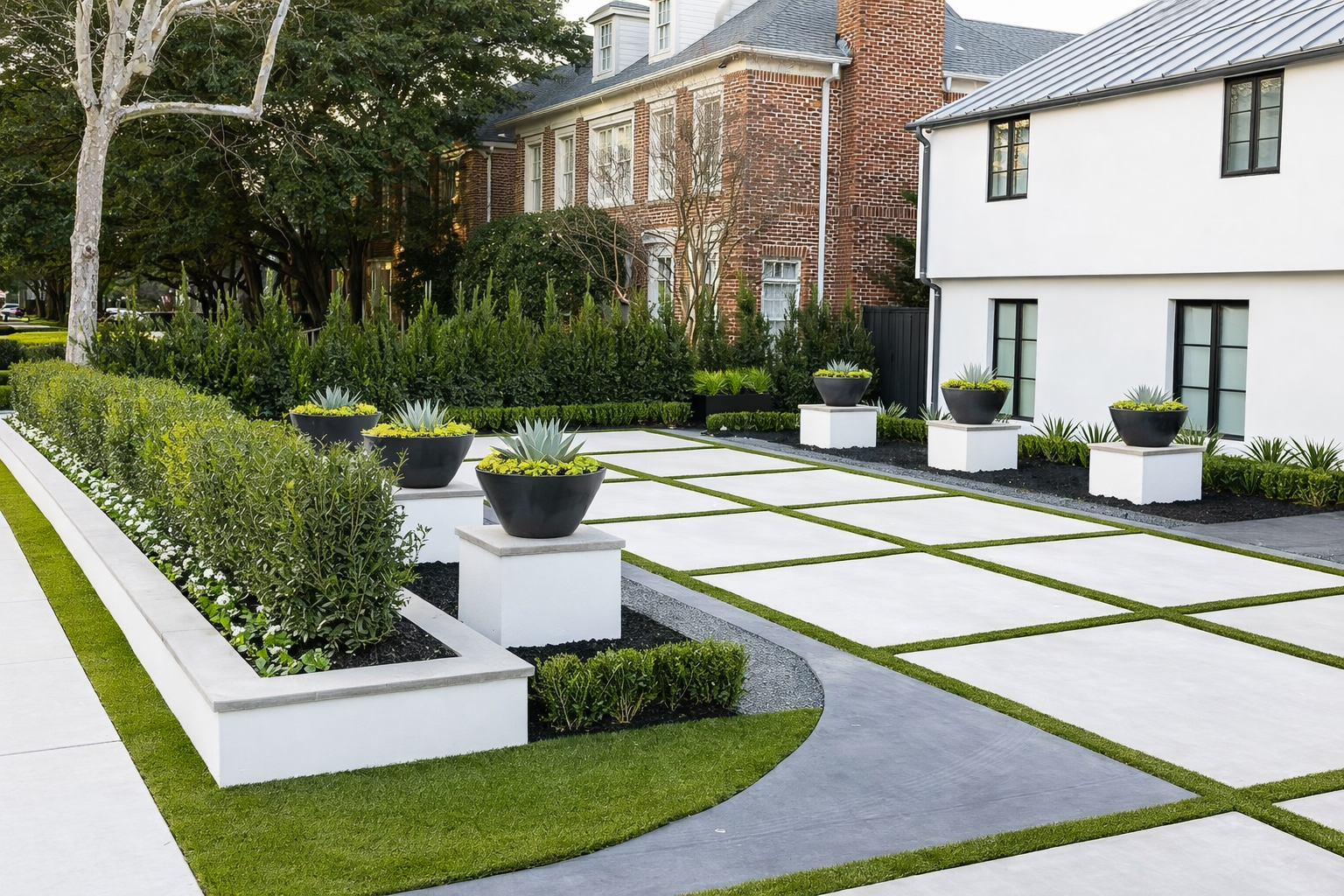
Hardscaping elements such as stone paths, patios, and benches can be integrated into garden designs to create functional and attractive spaces. At Good and Green Landscaping, we recommend selecting sustainable materials like reclaimed stone or recycled concrete. These materials not only blend beautifully with natural landscapes but also reduce your carbon footprint and the demand on new resources.
Sustainable gardening also involves choosing the right trees and shrubs that provide shade and windbreaks. Properly placed, these elements can significantly alter microclimatic conditions, reducing energy costs by cooling your home in the summer and blocking harsh winds in the winter. Strategic planting can thus serve as a natural climate control system, enhancing comfort around your home.
In conclusion, designing a climate-conscious garden is an evolving journey. It requires a balance of creativity and functionality, always adapting to environmental changes and new sustainable practices. At Good and Green Landscaping, we are committed to helping you create beautiful, resilient landscapes that harmonize with nature. By taking into consideration local conditions, conserving resources, and promoting biodiversity, you can enjoy a garden that not only looks fantastic but also contributes positively to your environment. Engage with us today to redefine the future of your outdoor space in line with eco-friendly principles.
/filters:no_upscale()/filters:format(webp)/media/13fd74d6-cd86-4a26-b1e8-89f05572bf81.jpeg)