Exploring Water-Wise Landscaping: Techniques for a Thriving Low-Water Garden Jun 21, 2026
Water-wise landscaping, often referred to as xeriscaping, is designed to minimize the use of water by employing strategies that promote efficient water use and sustainable plant selection. This approach allows gardens to flourish even under limited water conditions, making it both an environmentally friendly and cost-effective choice for homeowners.
One of the fundamental principles of water-wise landscaping is the selection of drought-tolerant plants. Native plants, which are adapted to the local climate, are excellent choices as they require minimal irrigation once established. Consider incorporating ornamental grasses, succulents, and perennial flowers like lavender and yarrow, which are well-suited to low-water gardens. These plants not only require less water but also offer vibrant colors and textures, enhancing the visual appeal of your landscape design.
In addition to plant selection, grouping plants with similar water needs together can significantly reduce water usage. This technique, known as hydrozoning, allows for targeted watering, ensuring that each plant gets the appropriate amount of moisture without wastage. By creating separate zones for plants with varying water requirements, you can optimize irrigation efficiency and promote plant health.
Efficient irrigation is another crucial aspect of water-wise landscaping. Drip irrigation systems are highly effective, delivering water directly to the root zones of plants, where it is needed most. This method minimizes evaporation and runoff, making every drop count. Timers and moisture sensors can further enhance efficiency by ensuring that plants are watered at optimal times and that water is only applied when necessary.
Mulching is a simple yet impactful technique that can aid in water conservation efforts. Organic mulches, such as wood chips and bark, help retain soil moisture, suppress weeds, and regulate soil temperature. As the mulch breaks down, it also enriches the soil, creating a healthy environment for plant growth. A layer of mulch around your plants acts as a protective barrier, reducing the frequency of watering.
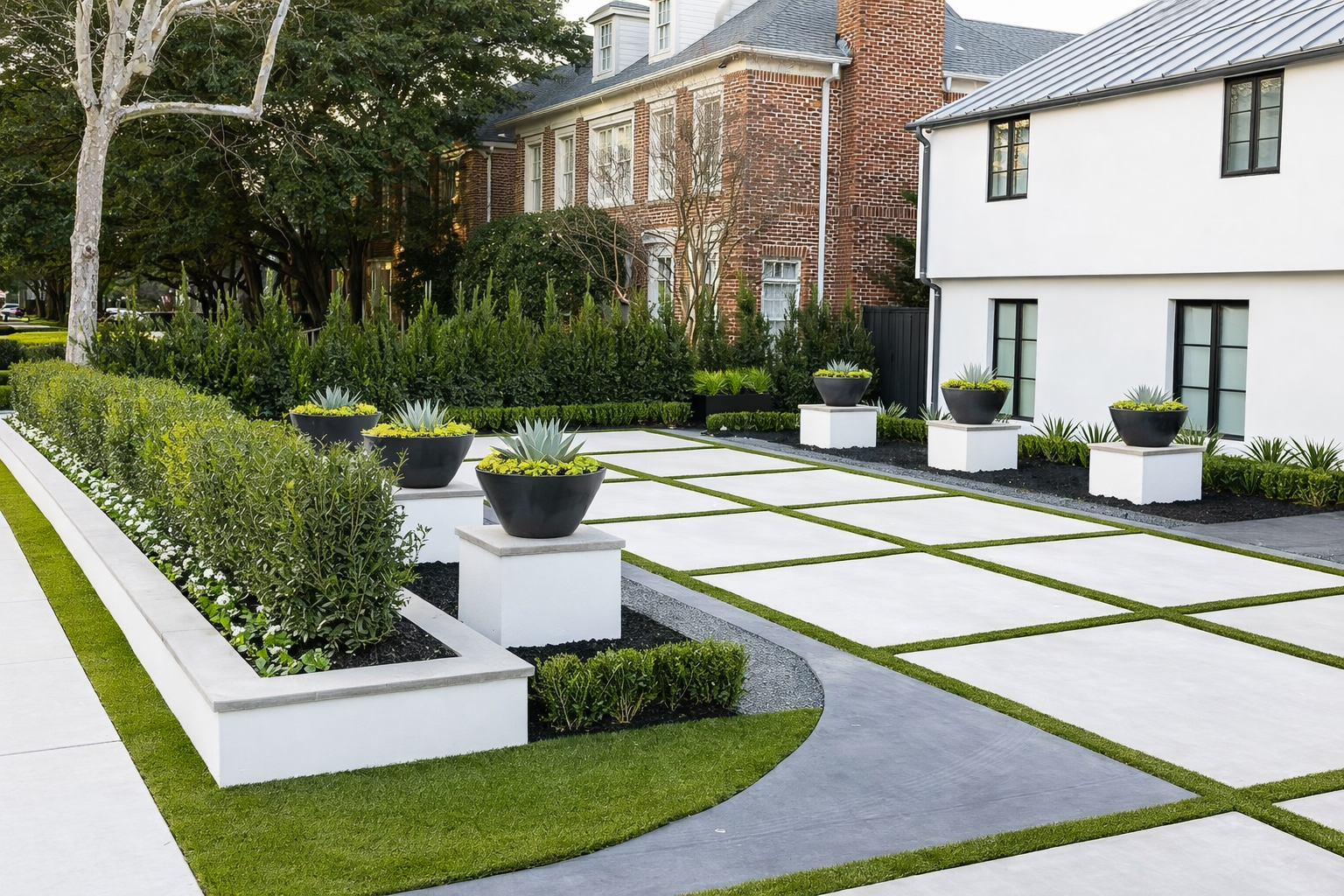
The design of your landscape itself can play a role in creating a low-water garden. Incorporating hardscaping elements, like stone pathways and rock gardens, reduces the overall area that requires watering. Hardscaping not only conserves water but also adds structure and depth to your garden, providing contrast to lush plantings.
In conclusion, adopting water-wise landscaping techniques offers numerous benefits, from conserving water to reducing maintenance and enhancing your garden's aesthetic appeal. By choosing appropriate plants, optimizing irrigation, and incorporating strategic design elements, you can create a thriving garden that supports sustainability. At Good and Green Landscaping, we are committed to helping you achieve a beautiful, low-water garden that enhances your outdoor space and supports environmental conservation. Start your journey towards a sustainable garden today and enjoy the rewards of a water-wise landscape.
/filters:no_upscale()/filters:format(webp)/media/13fd74d6-cd86-4a26-b1e8-89f05572bf81.jpeg)