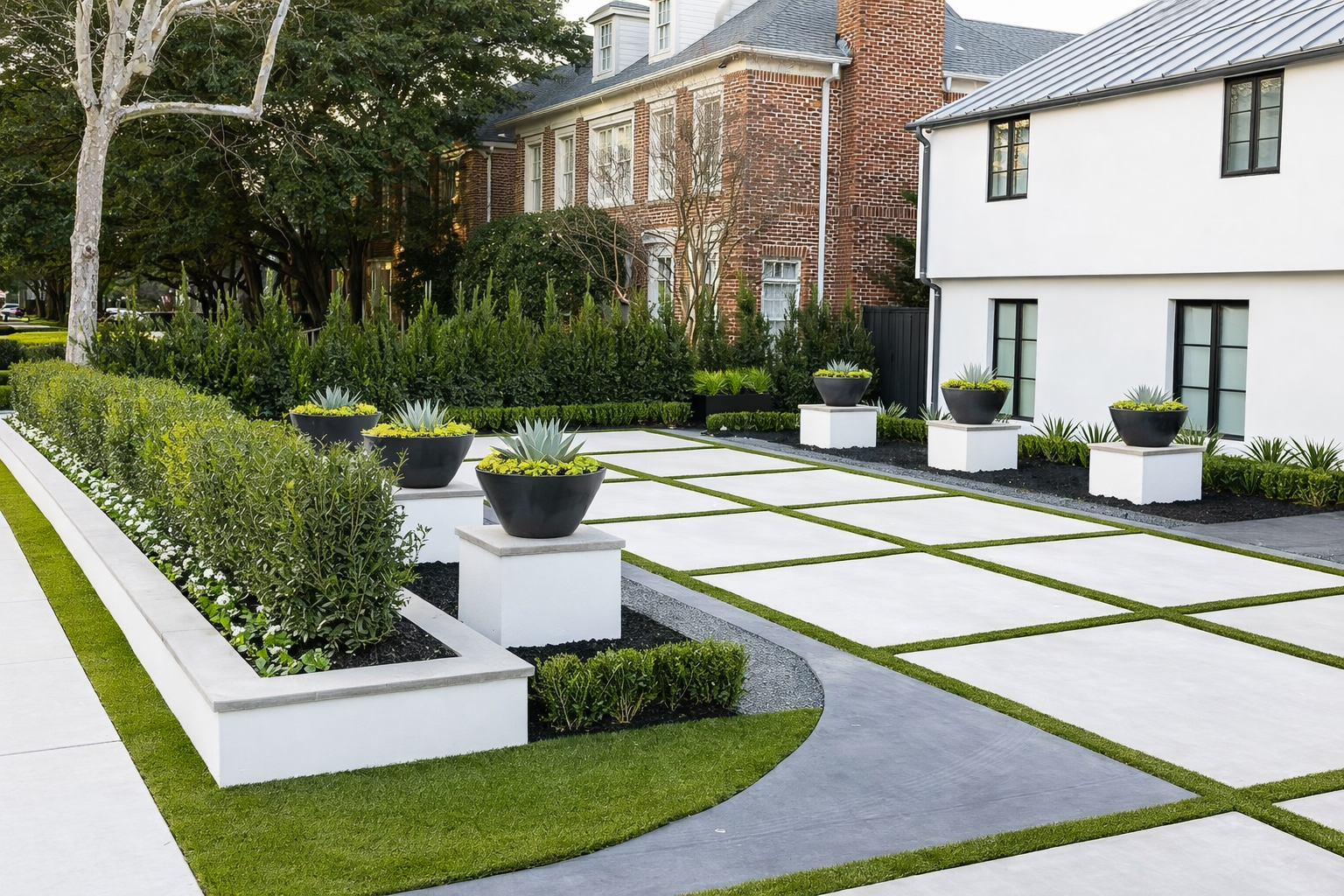
Seasonal Landscaping Strategies for a Year-Round Beautiful Yard Mar 12, 2026
Spring is the season of rejuvenation, making it the perfect time to revive any dormant or fading plant life. Start by assessing the damage winter might have wrought. Remove dead foliage, branches, and other debris that accumulated during the colder months. This is also the ideal time to apply mulching to your garden beds. Mulching not only enriches the soil but also suppresses weeds, retains moisture, and maintains an even temperature for the soil. Plant spring annuals such as tulips, daffodils, and pansies to add a splash of color. Don't forget to regularly water your plants as the temperature begins to rise.
As spring fades into summer, focus on maintaining your manicured yard. Mowing the lawn should be done regularly but avoid cutting it too short. Taller grass retains more moisture, which is crucial as the sun becomes more intense. Consider installing a drip irrigation system to conserve water while ensuring plants receive adequate hydration. This system delivers water directly to the roots, reducing evaporation. Summer is also the time to plant drought-resistant perennials and replace tired spring flowers with vibrant summer blooms like petunias and marigolds. Keep an eye out for pests and diseases, and tackle them promptly with environmentally friendly solutions.
Autumn is the season for transition and preparation. It's crucial to clean and remove fallen leaves that can suffocate your lawn and create breeding grounds for pests. Fall is the optimal time for aerating your lawn, as the soil is often compact from summer activity. Aeration improves soil drainage and enhances nutrient absorption, ensuring your lawn is ready for winter. Planting fall bulbs like crocuses and hyacinths now will yield a colorful display come spring. Additionally, this is the perfect season for reseeding or filling any bare patches in your lawn to ensure a thick, robust turf.
Winter doesn't mean neglecting your landscape; instead, it’s the time for preservation and planning. Protect your garden with burlap or protective coverings to safeguard against frost damage. This is an excellent time to evaluate your landscape design and plan any major changes or additions like new hardscaping features. Consider incorporating elements such as stone paths or lighting fixtures that offer beauty and structure even when the plants are at rest. You can also plant winter interest shrubs like red twig dogwoods and holly bushes that brighten the dull winter scene.
In conclusion, creating a beautiful yard all year-round requires strategic planning and action. By following these seasonal landscaping strategies, you can ensure your garden remains vibrant and healthy throughout the changing seasons. At Good and Green Landscaping, we believe with the right attention and care, your landscape can become an evergreen oasis that bursts with life and color. Transform your yard from dull to delightful by planning ahead and implementing these expert tips each season. Remember, the key to effective landscaping lies in regular maintenance and a keen eye for detail.
/filters:no_upscale()/filters:format(webp)/media/13fd74d6-cd86-4a26-b1e8-89f05572bf81.jpeg)