Sustainable Landscape Designs: Creating an Eco-Friendly Oasis Mar 22, 2026
Sustainable landscape design is not only about reducing water use or choosing native plants; it involves a holistic approach to creating and maintaining spaces that are environmentally beneficial. Let's explore how you can turn your garden into a lush, sustainable oasis that aligns with nature.
The first step in sustainable landscape design is assessing your site. Understanding the soil type, climate conditions, and existing vegetation at your location allows you to choose plants that will naturally thrive without needing excessive resources. Efficient plant selection reduces the need for fertilizers and pesticides, which can leach into and pollute nearby waterways. Choose native plants that are adapted to local conditions; they require less water and maintenance, fostering a more sustainable garden.
Incorporating diverse plant species is crucial to mimicking natural ecosystems. A variety of plants will not only create a more visually interesting space but also support local wildlife, such as birds and beneficial insects. Pollinator-friendly plants are a great addition to any garden, attracting bees and butterflies which are critical to plant reproduction and maintaining biodiversity.
Water conservation is another pillar of eco-friendly landscaping. Implementing techniques like drip irrigation systems and rainwater harvesting can drastically reduce water consumption. Drip irrigation targets the root zones of plants directly, minimizing evaporation and runoff. Moreover, arranging your garden plantings in hydrozones based on water needs ensures efficient usage of this precious resource.
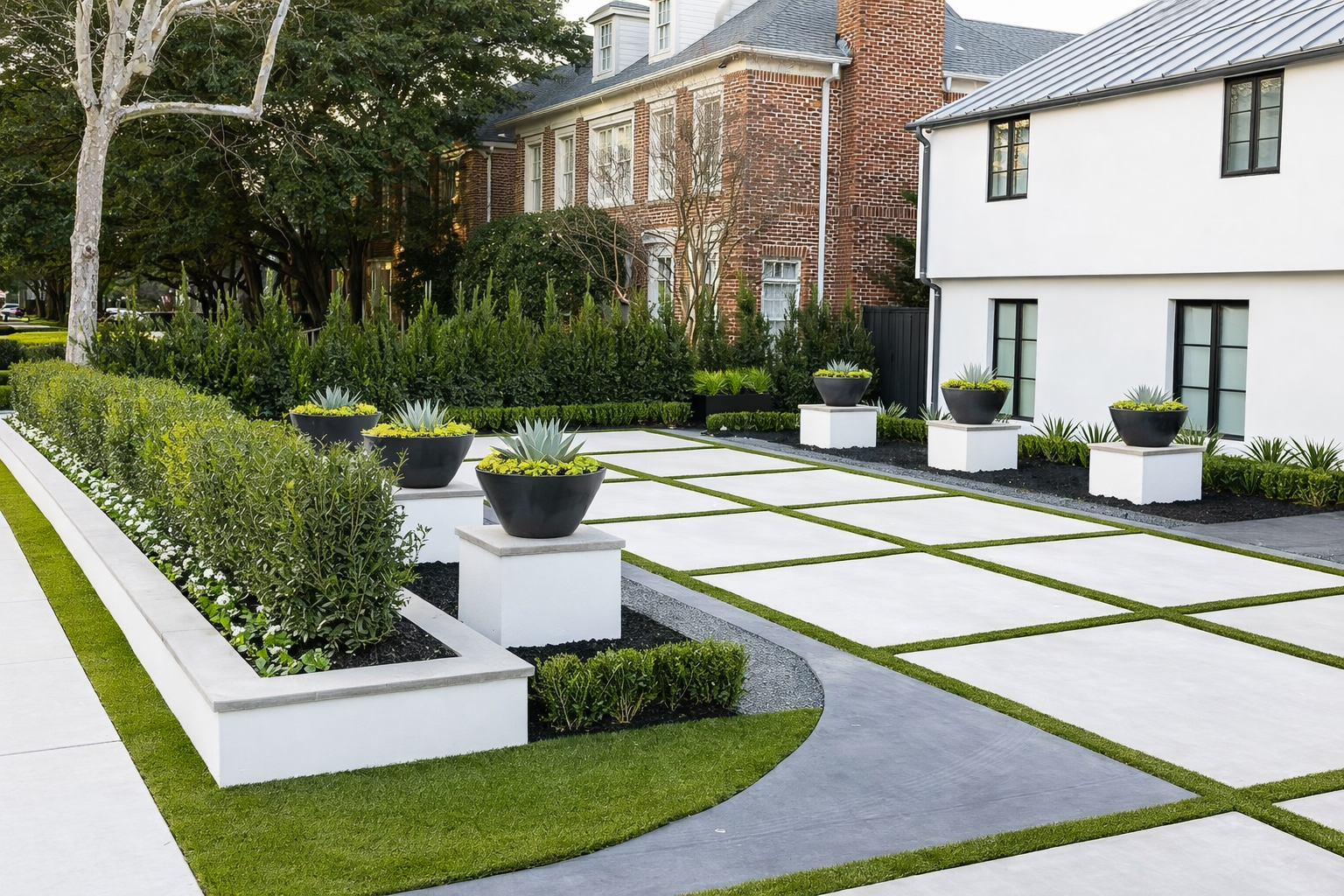
Consider complementing your living garden with hardscaping elements that promote sustainability. Permeable paving materials, such as gravel or permeable concrete, allow rainwater to seep into the ground rather than contributing to stormwater runoff. This not only reduces erosion but also helps recharge local aquifers. Additionally, designing with recycled or locally sourced materials minimizes the carbon footprint of your landscaping project.
Mulching is another valuable technique in creating a sustainable garden. Mulch acts as an insulator for soil, maintaining even moisture levels and reducing the need for frequent watering. It also suppresses weed growth and helps prevent erosion, all while adding organic matter to improve soil health over time.
Solar lighting is an exceptional way to illuminate garden paths and highlights without increasing your energy consumption or electricity bill. Modern solar fixtures are attractive and come in various styles, offering both functional and decorative options for your landscape design.
As you move forward with your sustainable landscape planning, remember that patience and proper maintenance are keys to success. Sustainable gardens are living, evolving environments that require observation and adaptation. Regularly assessing your garden's progress and making necessary adjustments will ensure its continued health and beauty.
In conclusion, sustainable landscape designs offer an opportunity to create visually stunning gardens that are in harmony with the environment. By choosing native plants, conserving water, integrating permeable paving, and utilizing solar lighting, you can craft an eco-friendly oasis that benefits both the planet and your well-being. Join Good and Green Landscaping in our commitment to a greener, healthier world—one garden at a time.
/filters:no_upscale()/filters:format(webp)/media/13fd74d6-cd86-4a26-b1e8-89f05572bf81.jpeg)