The Art of Sustainable Landscaping: Tips for an Eco-Friendly Outdoor Space Mar 18, 2026
First, consider the principle of right plant, right place. This foundational concept of sustainable landscaping involves selecting native plants that are naturally adapted to the local climate and soil. Native species require less water, fertilizer, and maintenance, making them an ideal choice for creating a low-impact garden. Consider researching drought-resistant plants if you live in an area prone to dry spells. Integrating plants that attract local wildlife, such as pollinators like bees and butterflies, enhances biodiversity while adding vibrant life to your landscape.
Water conservation is another critical aspect of sustainable landscaping. Implementing a rainwater harvesting system can significantly reduce your dependency on municipal water supplies. Tools like rain barrels and permeable paving solutions help channel water back into the ground effectively. Likewise, employing drip irrigation systems ensures plants receive optimal hydration without excess waste, offering targeted, efficient watering.
Soil health is vital to the sustainability of your garden. Incorporating organic matter such as compost can greatly improve soil structure, enhance nutrient levels, and increase the soil’s capacity to retain water. This practice not only provides your plants with the sustenance they need to flourish but also reduces the need for chemical fertilizers, which can be detrimental to the environment.
Minimize the use of chemical pesticides and fertilizers. Instead, adopt natural pest control methods. Companion planting, for example, involves growing certain plants together to deter pests naturally. Marigolds can be effective when planted near vegetables, as they repel nematodes and other common garden pests.
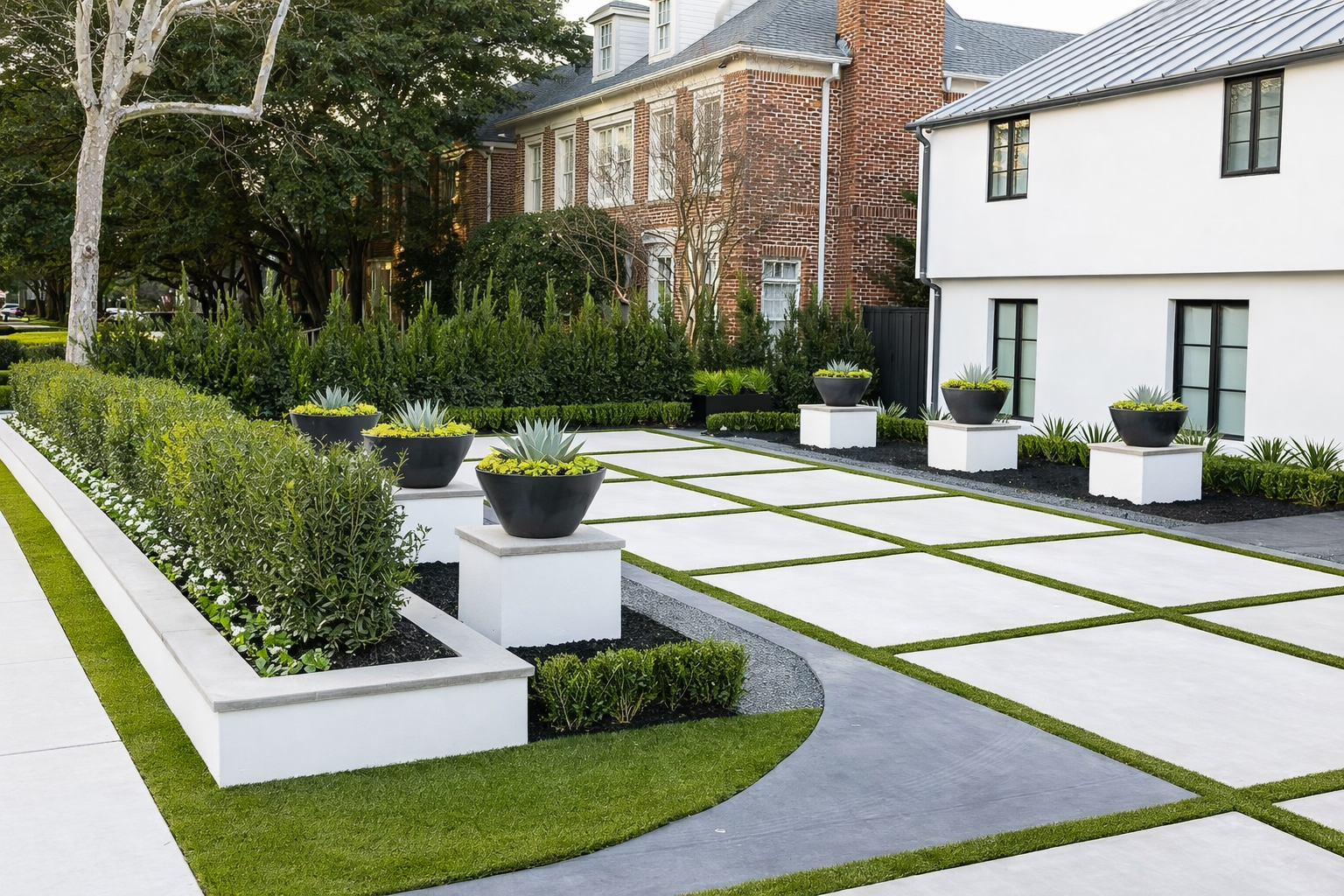
Hardscaping is another important element to consider. Use sustainable materials like recycled bricks or locally sourced stone to construct your pathways and patios. Opt for permeable materials that allow water to penetrate the surface, reducing runoff and promoting groundwater recharge. Thoughtful design choices can complement your garden aesthetically while keeping the hardscape eco-friendly.
Maintaining an eco-friendly outdoor space also means practicing sustainable lawn care. Consider reducing the size of your lawn by replacing sections with ground cover plants or wildflower meadows which provide habitat for pollinators and require less water. If a traditional lawn is desirable, opt for a more sustainable grass variety that is drought-resistant and requires less mowing.
Finally, integrate renewable energy and smart technology into your outdoor area. Solar-powered garden lights, for example, enhance nighttime visibility while reducing electricity consumption. Timers and smart scheduling for irrigation systems also help in water conservation by optimizing usage according to the weather.
Sustainable landscaping is a thoughtful approach to outdoor design that benefits the environment while creating beautiful, livable spaces. At Good and Green Landscaping, we believe in harnessing nature’s resources effectively and responsibly. By implementing these tips, you’ll be well on your way to crafting an outdoor area that not only meets your aesthetic goals but also contributes to a healthier planet. Let’s grow greener together, one garden at a time.
/filters:no_upscale()/filters:format(webp)/media/13fd74d6-cd86-4a26-b1e8-89f05572bf81.jpeg)