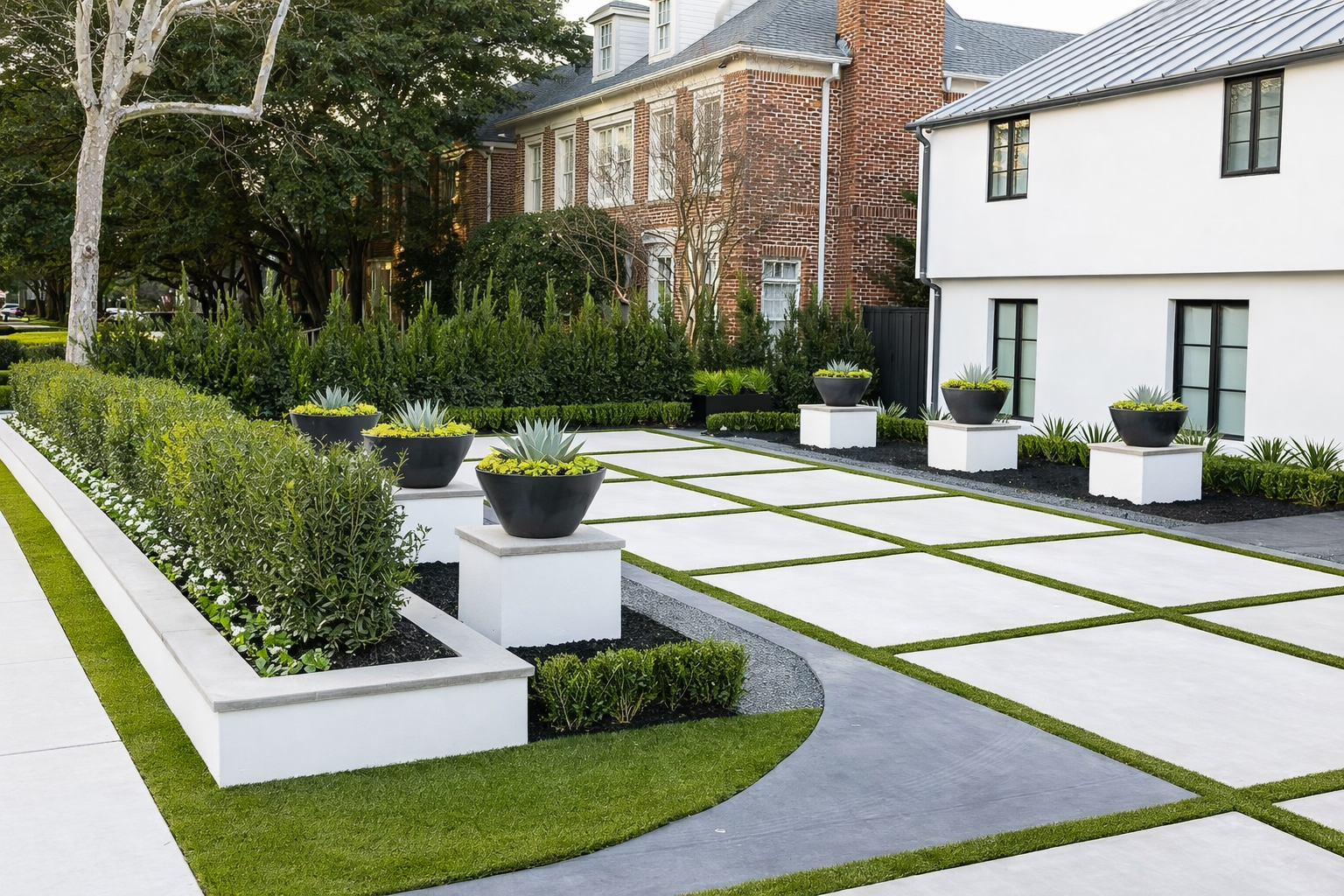
The Benefits of Permeable Hardscaping: Eco-Conscious Solutions for Your Yard Apr 01, 2026
Permeable hardscaping refers to materials used in landscaping that allow water to pass through the surface and into the ground beneath. Unlike traditional hardscaping options, such as concrete or asphalt, which can lead to runoff and water pooling, permeable surfaces facilitate natural water absorption and filtration. This transformation of hardscaping enhances your property's aesthetic and environmental footprint.
One of the significant benefits of permeable hardscaping is its impact on managing stormwater. By allowing rainwater to seep into the ground, these surfaces reduce runoff, which is a primary contributor to erosion and pollution in local water bodies. Such a reduction is particularly beneficial in urban areas where multiple impermeable surfaces exacerbate flooding risks. As a result, permeable hardscaping not only protects the immediate environment but also contributes positively to the community's overall water management.
Moreover, permeable surfaces play a vital role in improving groundwater quality. As water passes through the permeable materials, it is naturally filtered, removing pollutants and impurities. This natural filtration process results in cleaner groundwater replenishment and supports local ecosystems.
Additionally, permeable hardscaping can significantly enhance the aesthetic appeal and functionality of your outdoor spaces. With diverse material choices such as porous asphalt, permeable pavers, gravel, or natural stone, you have the flexibility to design a landscape that reflects your personal style while serving practical purposes. Whether you're envisioning a charming garden path or an expansive driveway, these materials can complement your home's architecture while prioritizing sustainability.
Energy efficiency is yet another compelling advantage of permeable hardscaping. These surfaces help mitigate the urban heat island effect, a phenomenon where urban or metropolitan areas become significantly warmer than their rural surroundings, primarily due to human activities and existing infrastructures. The porous nature of permeable materials reduces heat retention and reflects sunlight, thereby maintaining a cooler environment that can reduce the need for air conditioning.
By choosing permeable hardscaping, not only are you investing in an eco-friendly solution, but you may also find financial incentives available. Many local governments offer tax credits or rebates for installing permeable surfaces due to their environmental benefits, making this innovative approach even more appealing for cost-conscious homeowners.
For property owners considering a transition to more sustainable landscaping solutions, Good and Green Landscaping is here to guide you. Our expertise in eco-friendly designs and installations ensures that your yard not only thrives visually but also contributes positively to environmental conservation efforts.
In conclusion, permeable hardscaping serves as a multi-faceted solution for homeowners committed to enhancing their property while supporting sustainability. From effective stormwater management and improved groundwater quality to enhancing aesthetic appeal and energy efficiency, the advantages of integrating permeable surfaces into your landscape are abundant. Take the first step towards a greener future with Good and Green Landscaping, where sustainable beauty unfolds right in your backyard.
/filters:no_upscale()/filters:format(webp)/media/13fd74d6-cd86-4a26-b1e8-89f05572bf81.jpeg)